
Rooted in Equity: Why We Focus on Tribal Communities
25/06/2025 | Saameer Athavale
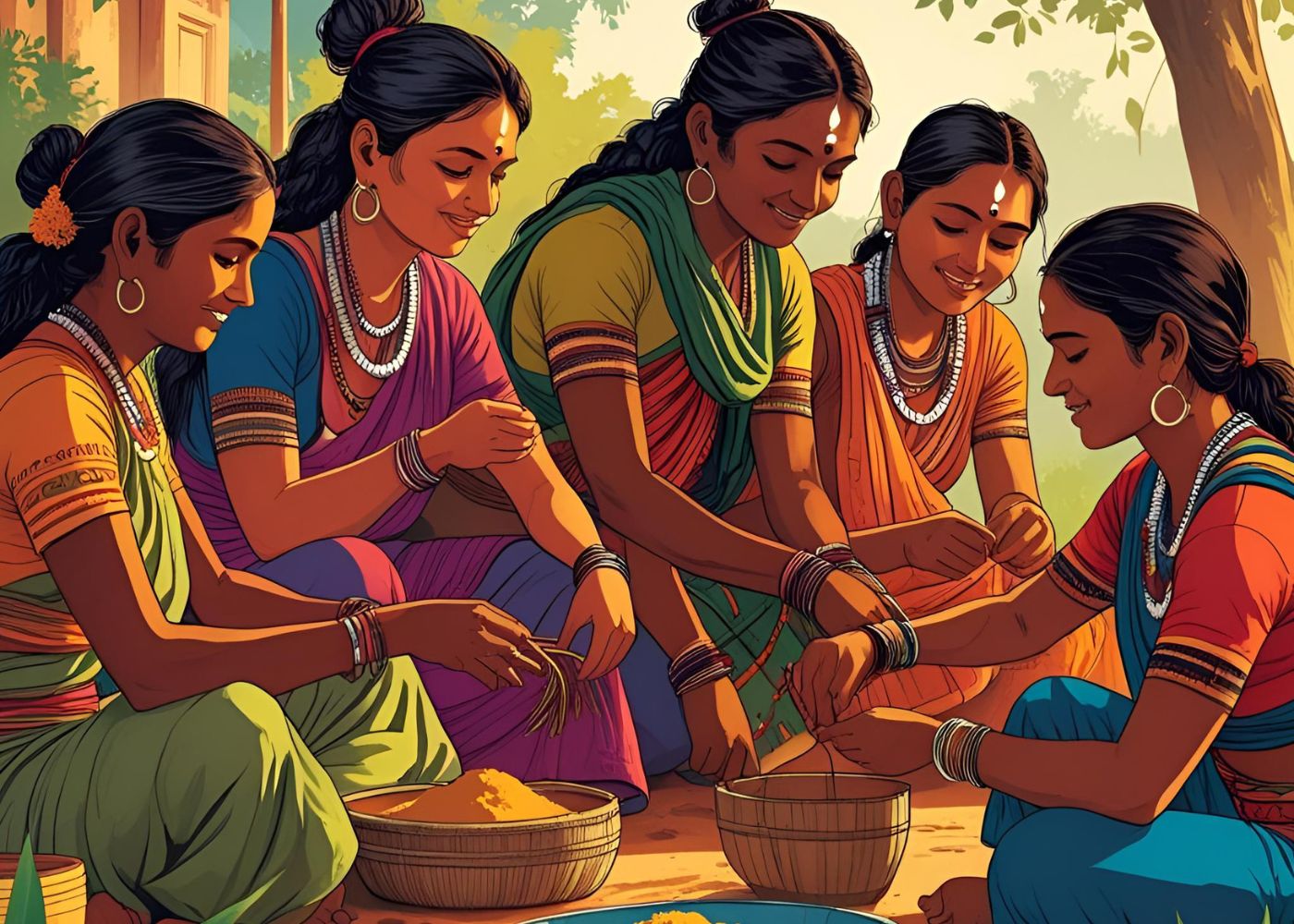
At Shop for Change Fair Trade, our mission is simple yet bold: to fight poverty through trade, not aid. But when it comes to where we work, one thing is clear—we focus intensively on India’s tribal communities.
Why? Because these communities, despite their deep knowledge of nature, agriculture, and craft, remain among the most economically excluded and structurally neglected populations in our country.
The Reality We Cannot Ignore
India is home to over 104 million Adivasis (Scheduled Tribes)—about 8.6% of the population. These are communities that have lived in harmony with forests and land for generations. Yet today, they face:
- Low literacy and digital access
- Poor infrastructure and market connectivity
- Limited access to healthcare, water, and financial services
- High migration and debt dependency due to failed agriculture systems
- Exploitation in markets where they’re forced to sell produce at unfair prices
In most development programs, tribal voices are either underserved or completely missing. For us, that is not acceptable.
Why Tribal Empowerment = Inclusive Growth
Tribal India holds the key to climate resilience, food security, and cultural preservation. Their traditional knowledge, ecological stewardship, and community models can enrich the mainstream—if given the right platforms.
By focusing on tribal communities, we’re not just addressing poverty. We’re investing in the roots of sustainability, dignity, and social justice.
Our Approach: Dignity Through Livelihood
We don’t treat tribal communities as passive beneficiaries. We see them as producers, entrepreneurs, and change agents.
Here’s how we work with them:
- Climate-Resilient Farming: Training in regenerative agriculture like the Saguna Technique and zero-tillage methods that protect both land and income
- Fruit Tree Plantation: Over 65,000 fruit-bearing trees planted to ensure long-term livelihoods, not just wages
- Skill Development: Training tribal women in processing of mahua, turmeric, pickles, and millets, enabling them to start microenterprises
- Market Linkage: Connecting tribal produce and handicrafts directly to urban consumers and e-commerce platforms, removing middlemen
- Technology Inclusion: Introducing AI, geo-tagging, dashboards, and digital literacy tools to bridge the rural–digital divide
- Women-Led Enterprises: Supporting the formation of tribal Farmer Producer Companies (FPCs), like Ecovibe Krushi Producer Company, where women are shareholders and leaders
- Health & Nutrition: Creating targeted programs for tribal women and children to access nutrition education and healthcare
The Bigger Picture
We believe that real impact happens when the most marginalized are not just supported—but placed at the center of development strategies.
Tribal empowerment is not a side agenda—it’s the core of an inclusive and resilient India.
By working focusedly with tribal communities, we’re building a model of development that is ethical, ecological, and entrepreneurial.
A Call to Collaborate
We invite partners—Rotary Clubs, CSR teams, foundations, and volunteers—to join us in amplifying tribal voices and solutions. Because when tribal India thrives, India thrives.