GramKushal
We help farmers and producers move from the margins to the marketplace by strengthening direct market linkages, promoting agroforestry, delivering training in natural/regenerative farming and business skills...
Explore GramKushal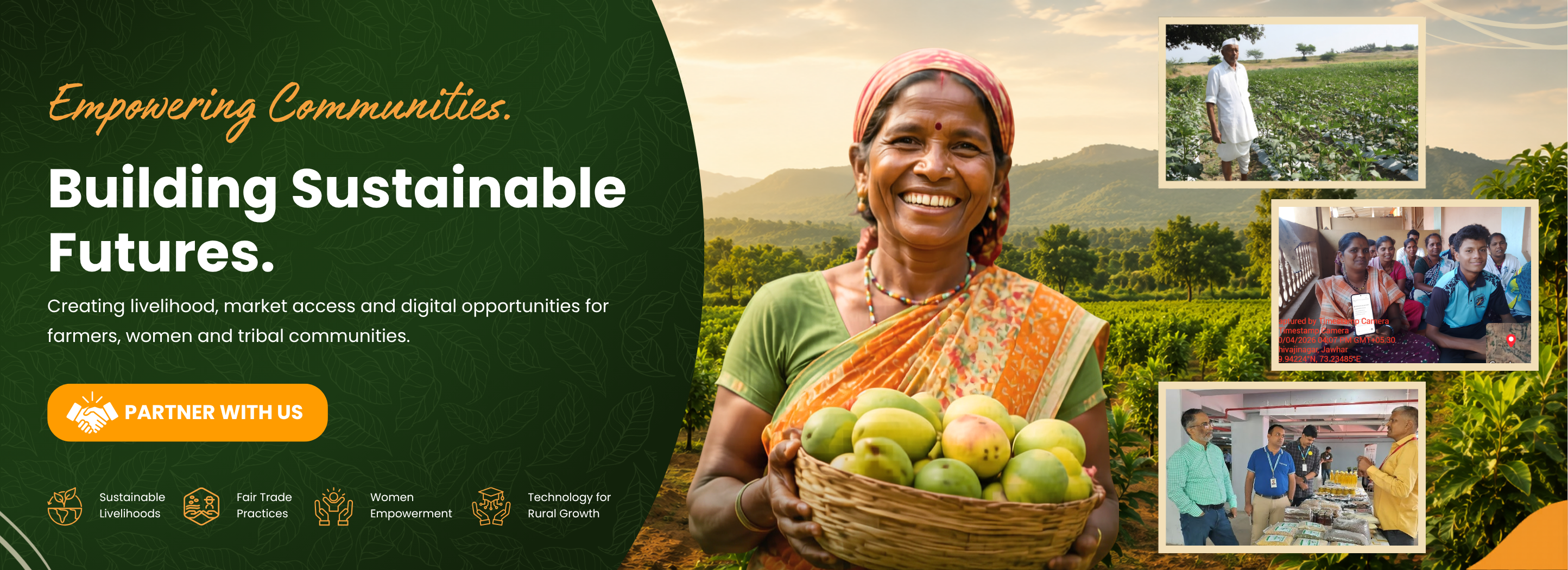
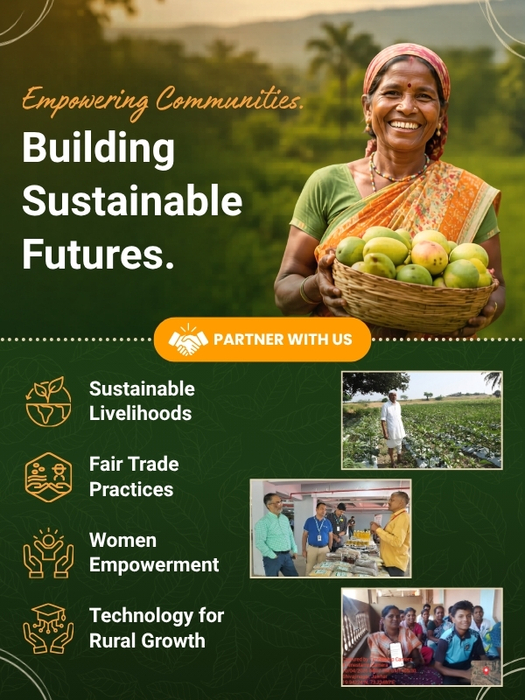
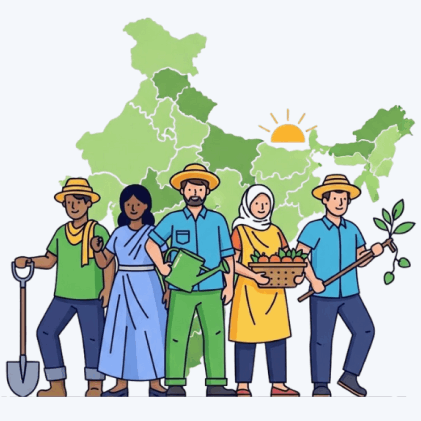
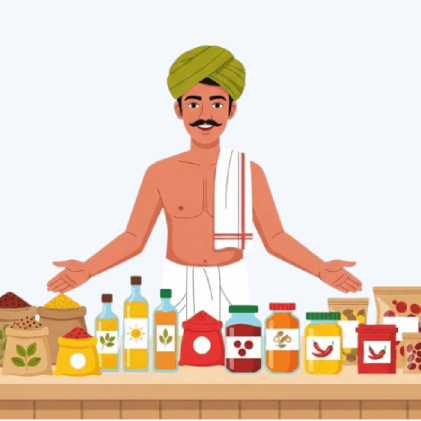
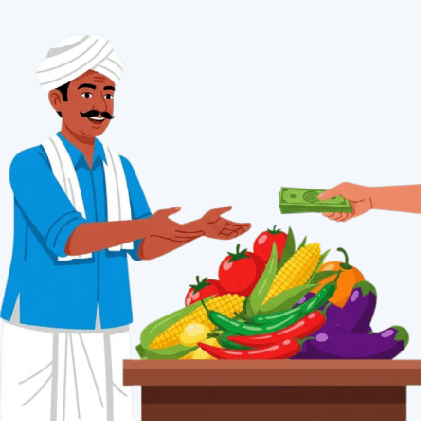
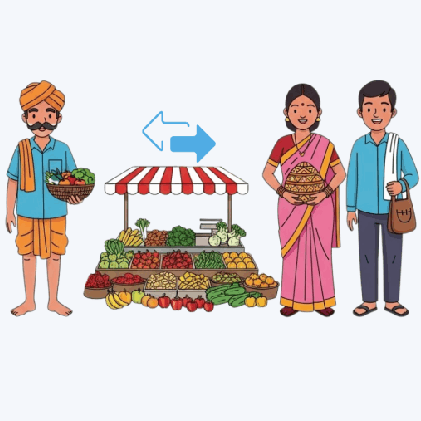
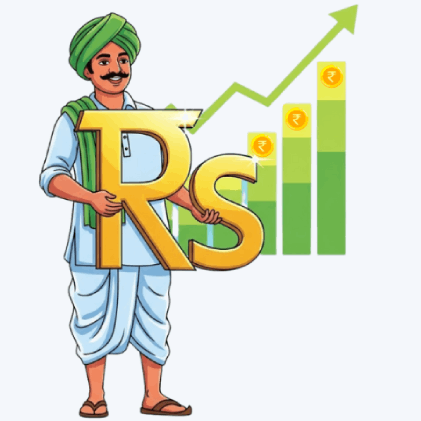
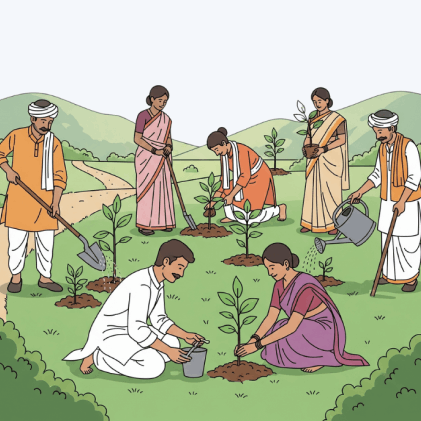
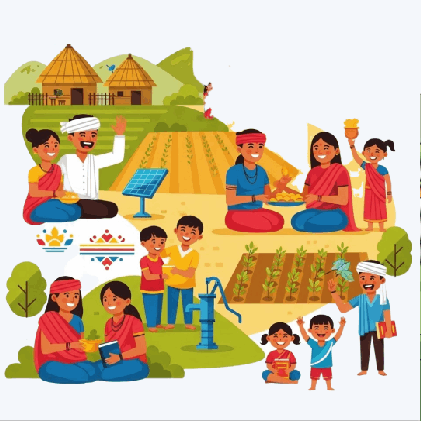
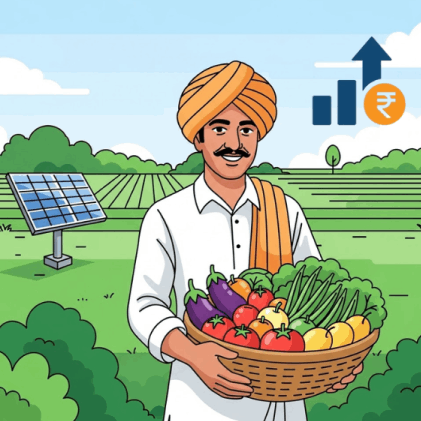
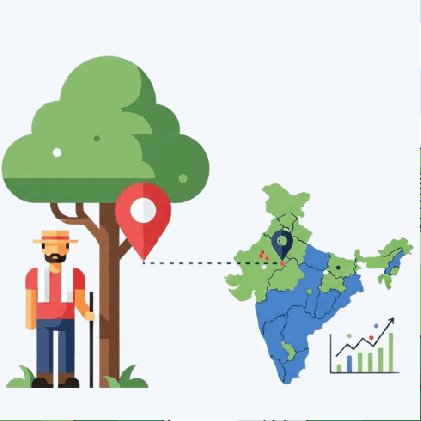
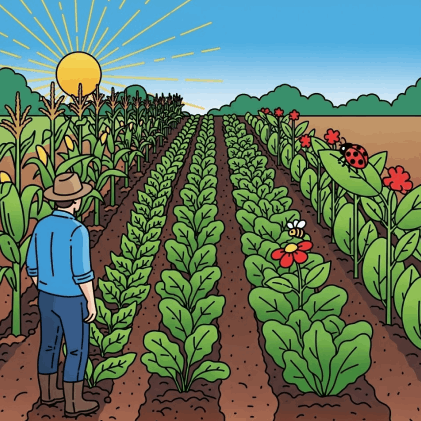
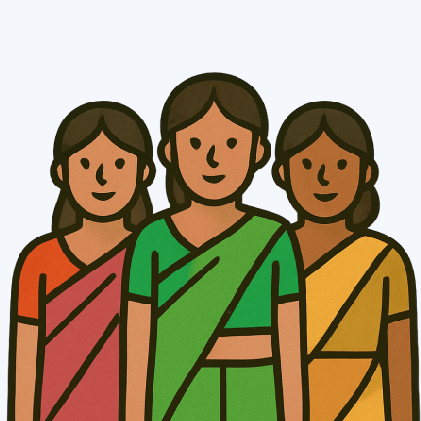
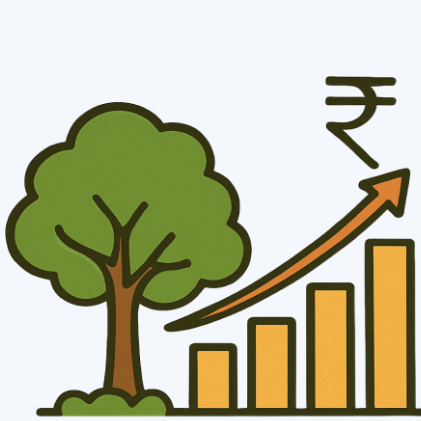

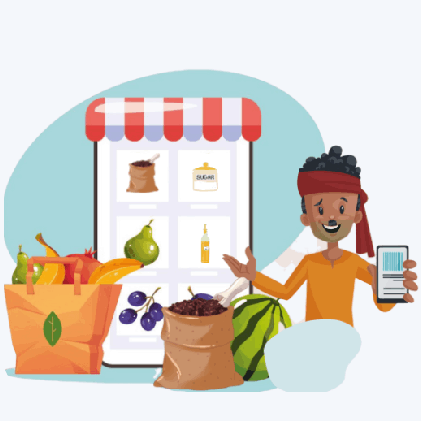
Farmers are the most important part of our food system, but their lives are often full of struggles. While food travels from the farm to our plate, the people who grow it are left behind. Small and tribal farmers in India face many challenges like not getting a fair price for their crops, low income, changing weather conditions, and lack of tools or knowledge.
Women farmers face even more difficulties—they work hard but are often not recognised or supported. Without the right help, this system continues to create poverty and harm both people and the environment.
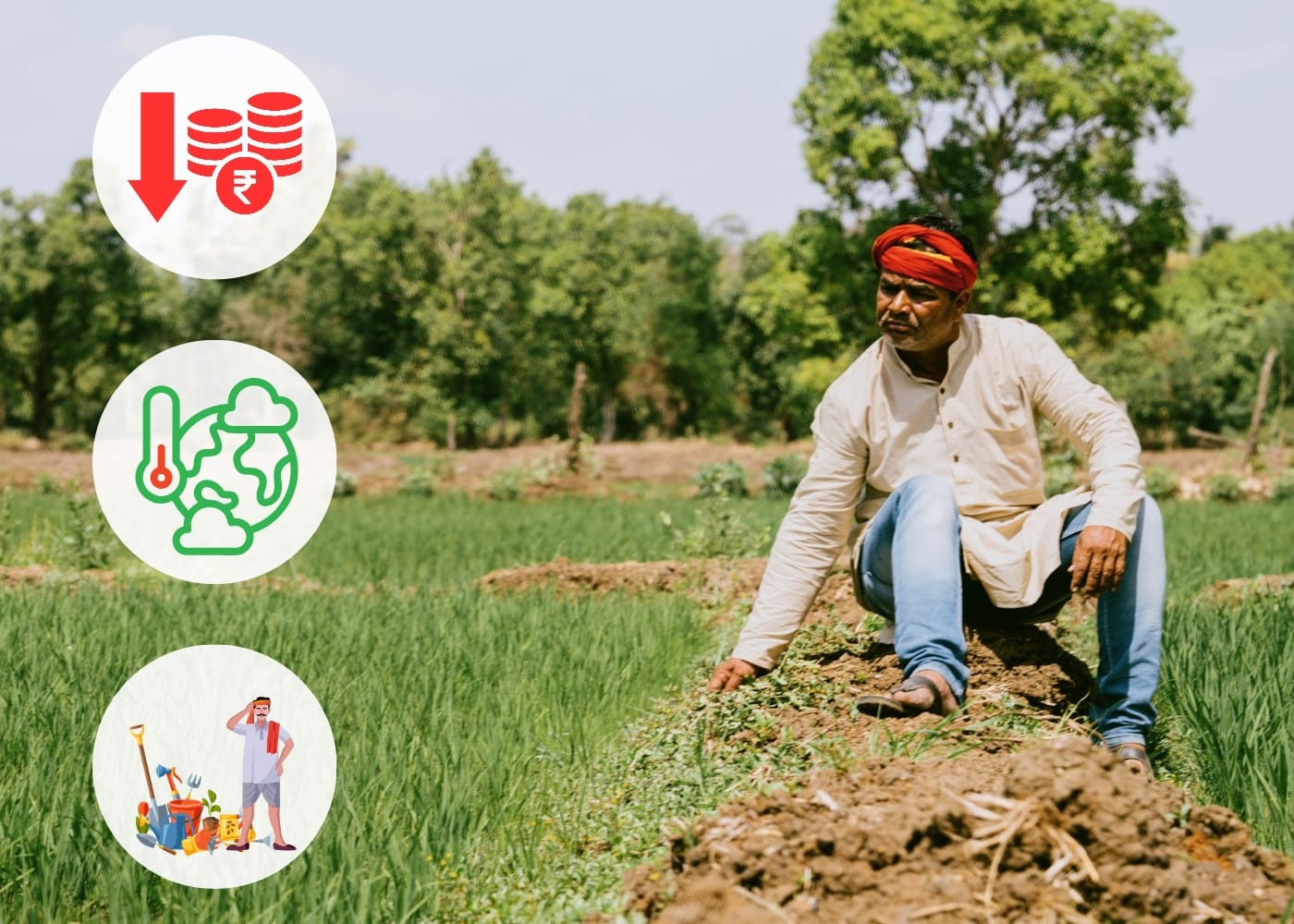
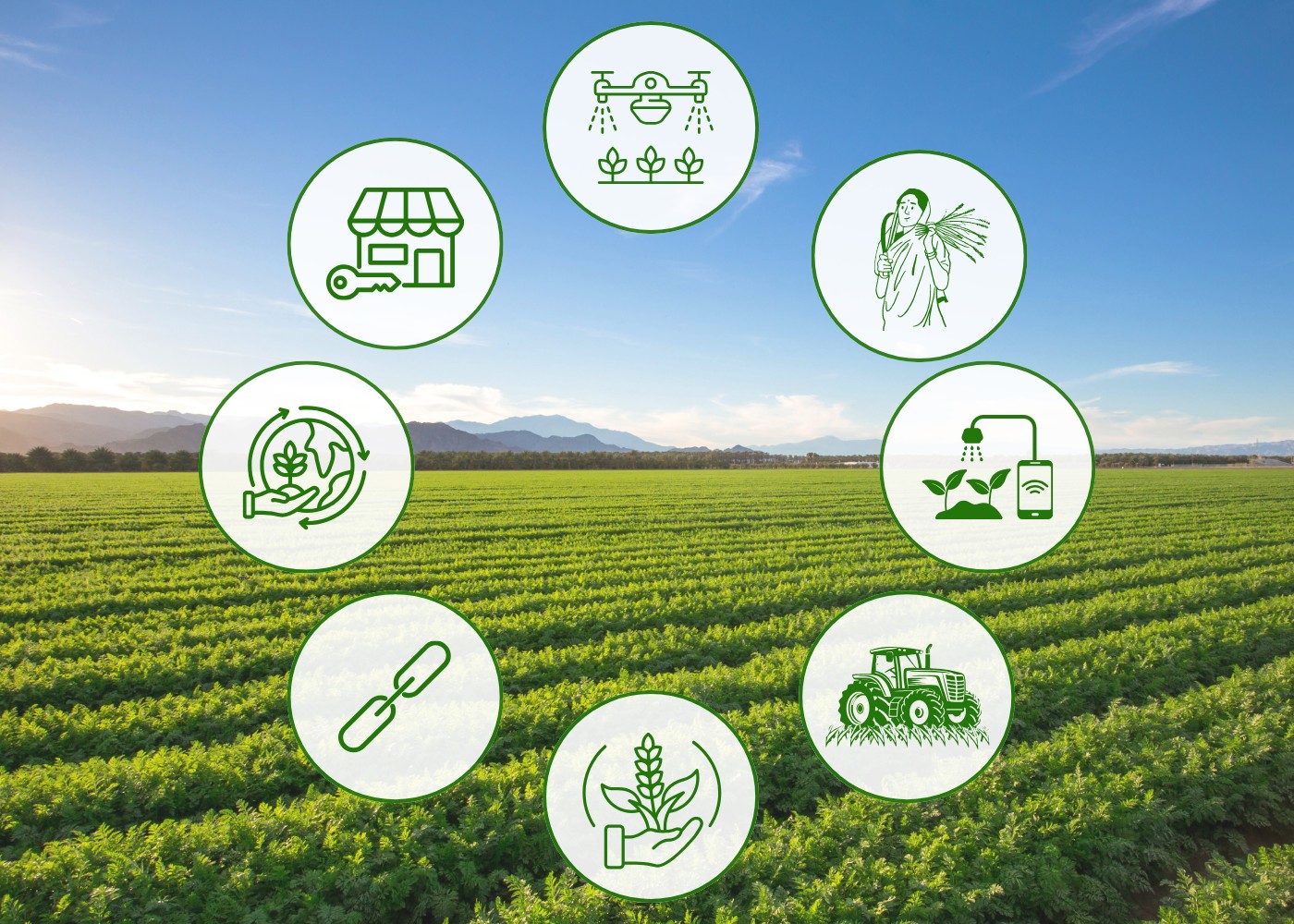
At Shop for Change Fair Trade, we solve these challenges through a model that brings respect, better income, and long-term opportunities to farmers. We start with direct market linkages, connecting farmers to urban buyers and platforms so they can earn fair and stable prices. To support this, we also promote agroforestry, where planting fruit-bearing and native trees adds income and supports the environment.
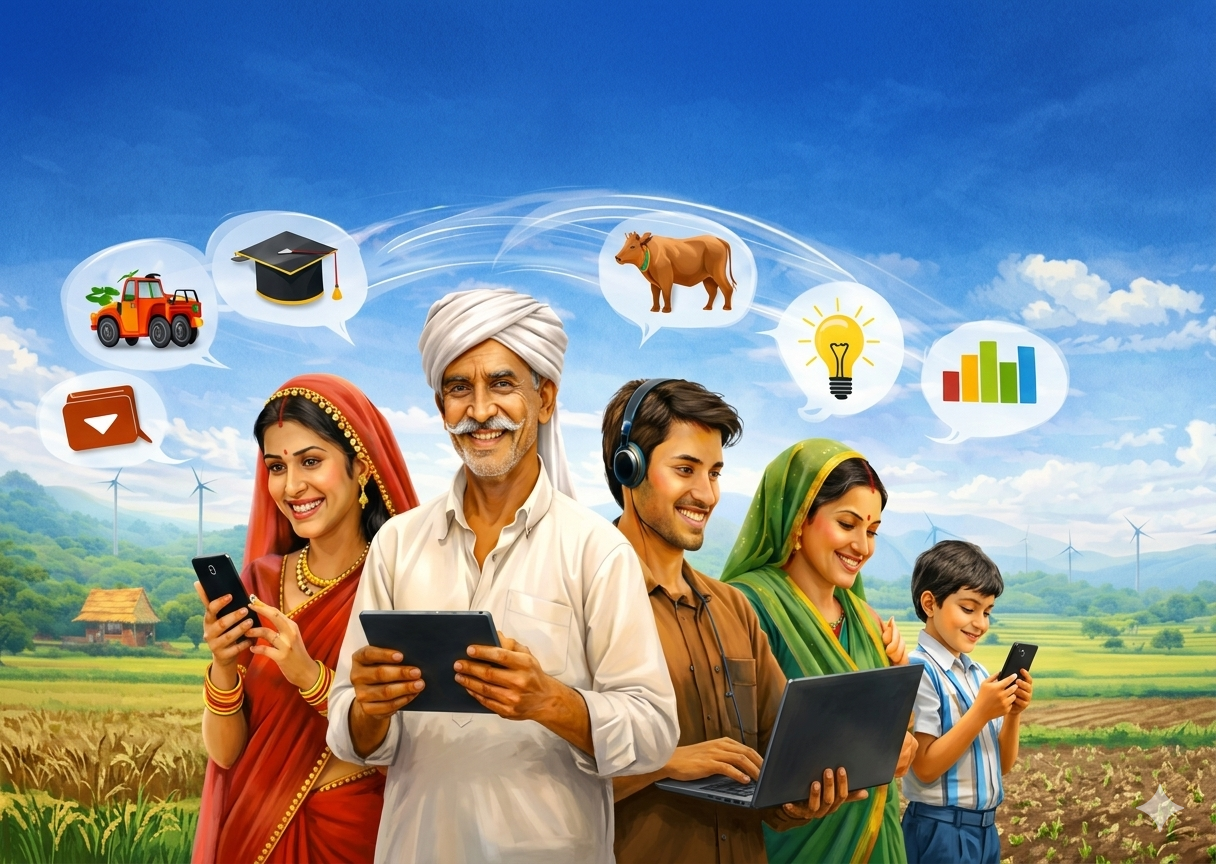
Our training programs cover natural and regenerative farming, business skills, and market readiness—helping farmers lower costs and improve land health. Through digital inclusion, we guide farmers in using mobile tools, e-commerce, and AI to access markets and make smart choices. At the core of our work is women’s empowerment. By ensuring women take leadership roles and benefit equally, we help uplift entire families and communities.
Our solution combines market access, green farming, skill-building, digital tools, and women-led growth to build a strong and fair future for Indian farmers.
We help farmers and producers move from the margins to the marketplace by strengthening direct market linkages, promoting agroforestry, delivering training in natural/regenerative farming and business skills...
Explore GramKushal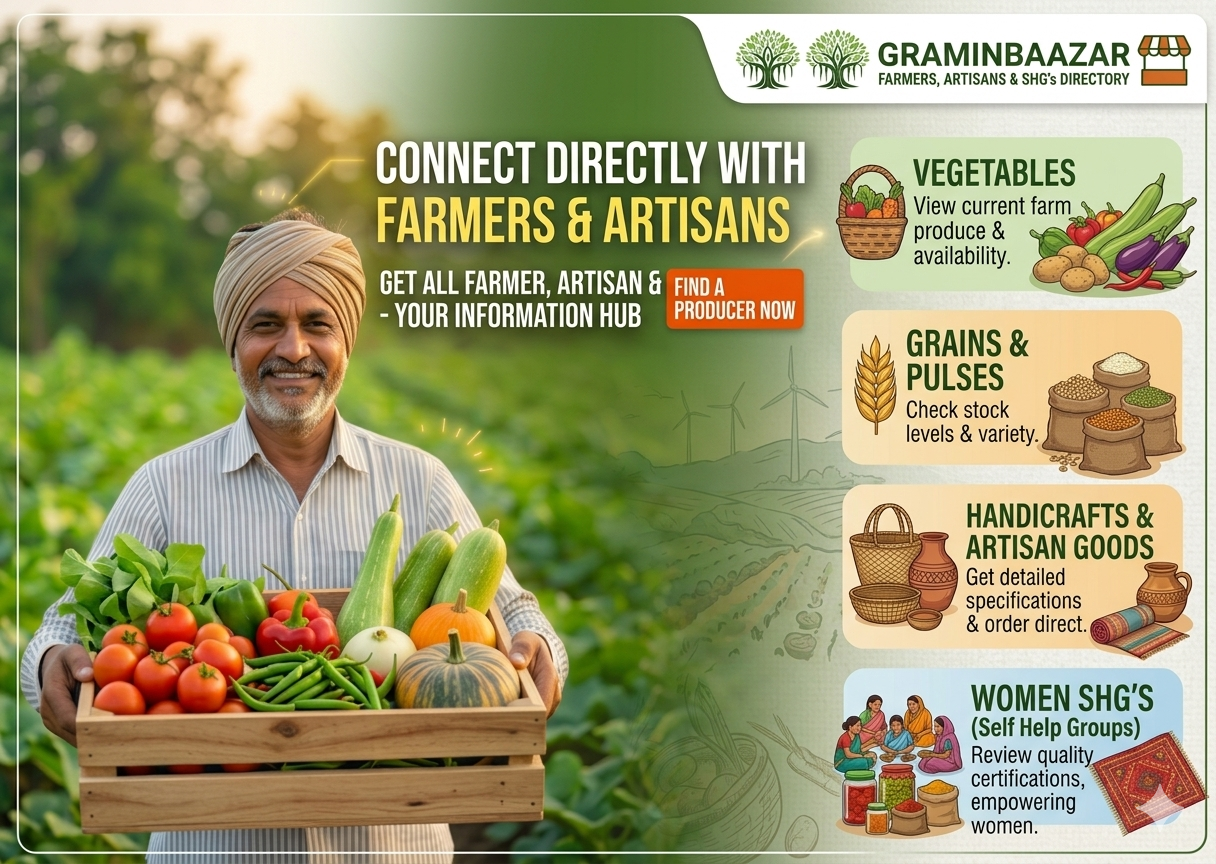
GraminBaazar is a vibrant ecosystem uniting rural India’s farmers, artisans, and verified Women Self-Help Groups. Beyond farm-fresh produce, the platform showcases handcrafted decor, traditional textiles, and organic goods...
Visit GraminBaazar
At Shop for Change Fair Trade, we believe that empowering communities and protecting the environment must go hand in hand. Climate change, soil degradation, and depleting water resources directly impact the lives of the farmers we serve.
Read More
At Shop for Change Fair Trade, we believe that sustainable livelihoods are the foundation of empowered communities. For tribal, rural, and smallholder families, income security is not just about survival—it’s about dignity, opportunity, and hope.
Read More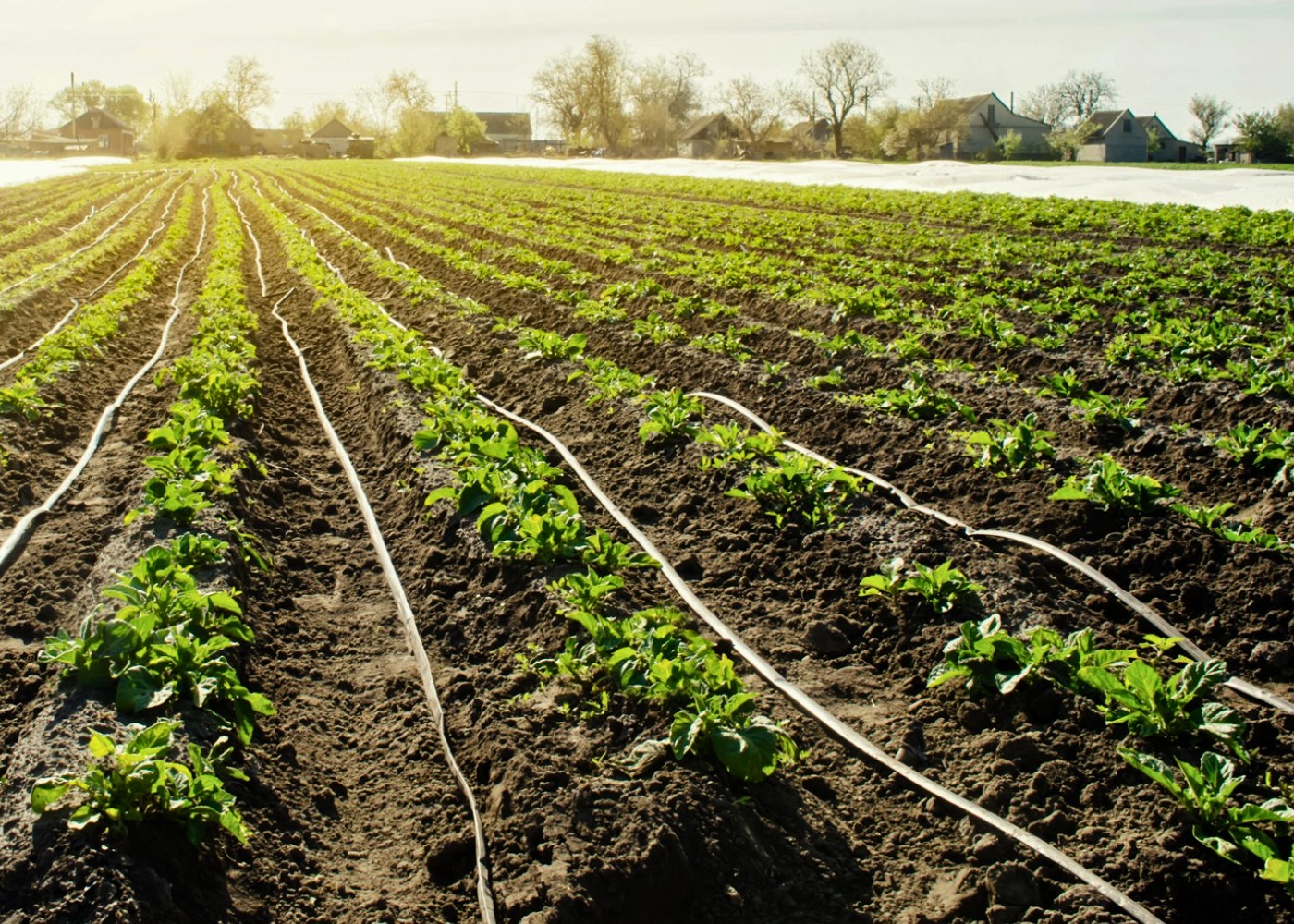
Healthy soil and secure water sources are the lifelines of agriculture. At Shop for Change Fair Trade, we recognize that without conserving these natural resources, sustainable farming and rural livelihoods cannot thrive.
Read More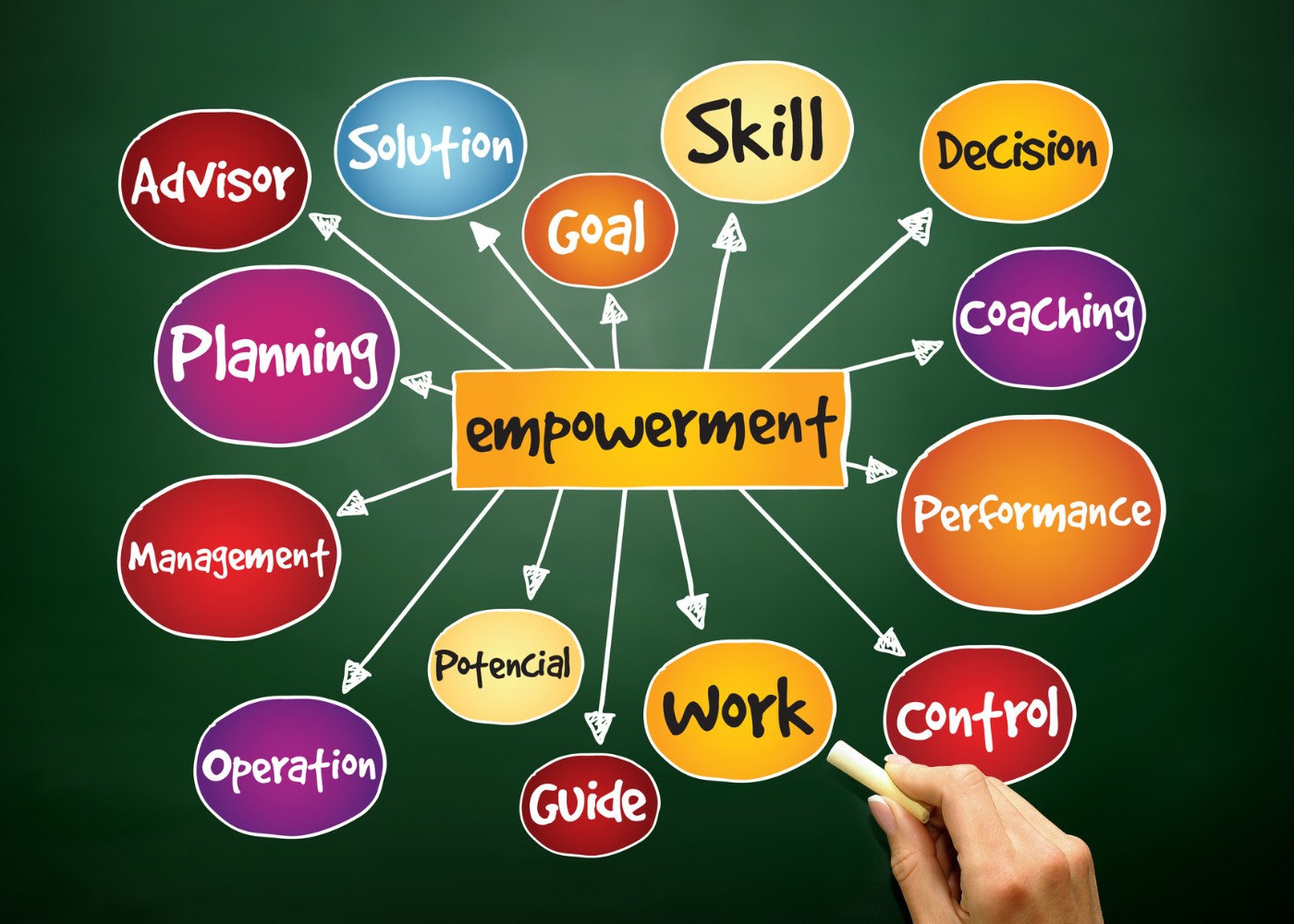
At Shop for Change Fair Trade, we are committed to creating dignified and lasting opportunities for tribal, indigenous, and vulnerable communities—those who have historically been excluded from mainstream development.
Read More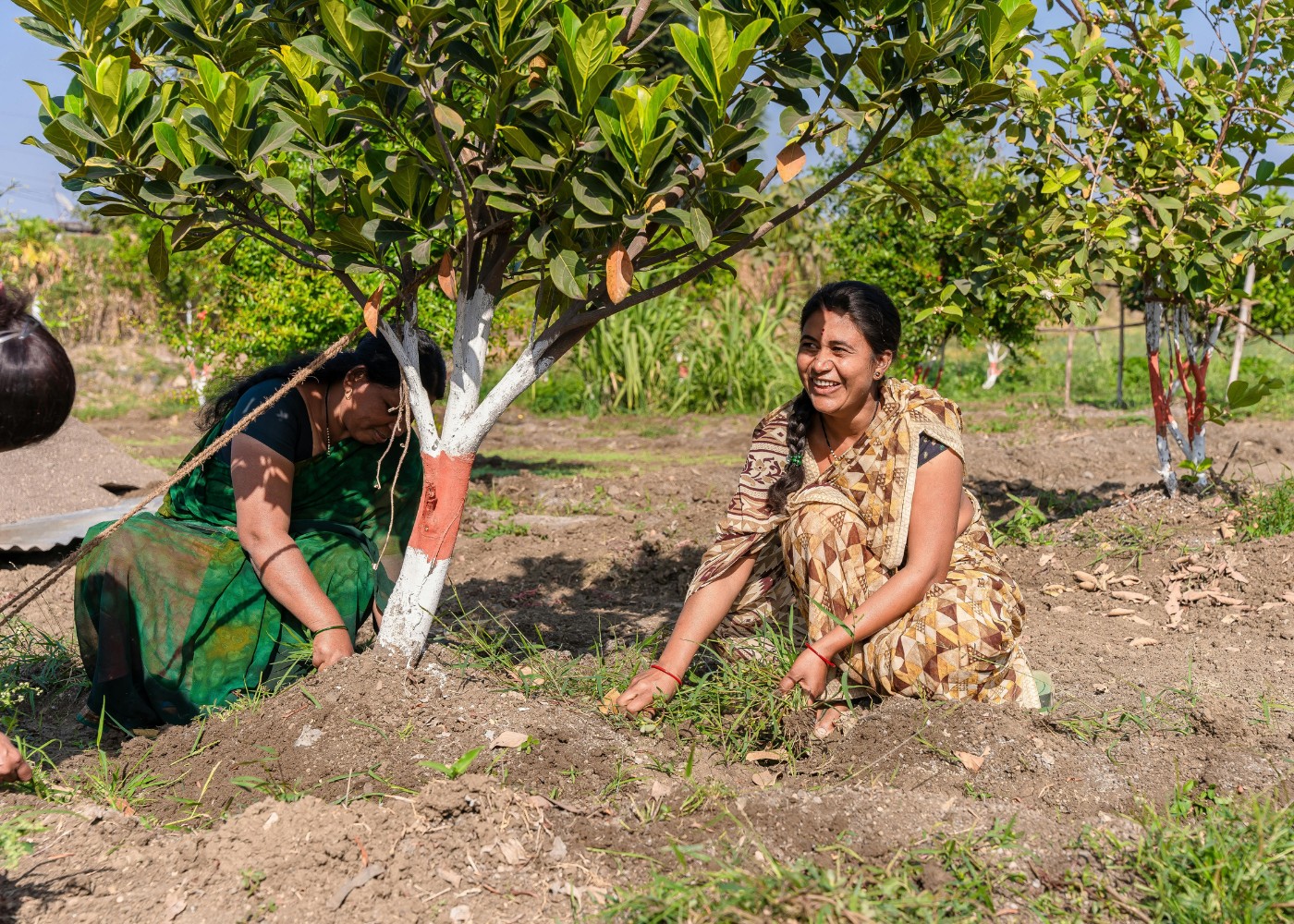
At Shop for Change Fair Trade, we believe that empowering women is not just a program—it's a powerful catalyst for community-wide transformation. Women are central to agriculture, family well-being, and local economies...
Read More
Agriculture is more than a livelihood—it's a way of life for millions in India. At Shop for Change Fair Trade, we work to make agriculture more profitable, sustainable, and dignified for smallholder and tribal farmers.
Read More





































.jpg)
Shop for Change is honoured to have been recognised by Thane Vaibhav during its Golden Jubilee celebrations for our contribution towards rural development and community empowerment.
Read More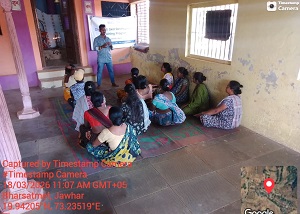
Shop for Change marked a significant milestone in its digital empowerment journey through the successful implementation of Government-Integrated AI Literacy Training programs and the integration of the GramKushal digital platform at Jawhar.
Read More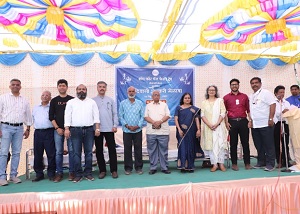
Shop for Change Fair Trade - Jawhar | 27 February 2026
Shop for Change Fair Trade successfully organized a Grand Tribal Farmer Meet on 27 February 2026 in Jawhar...
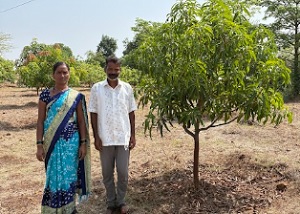
Mr. Bhusara always believed that farming could provide a dignified and secure future if supported with the right guidance and opportunities. In 2020...
Read More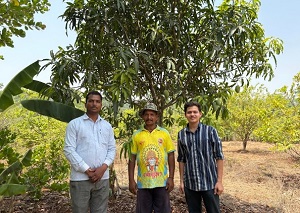
A major turning point in Vilas’s life came in 2019 when he connected with the team from Shop for Change Fair Trade through the LTM-supported tree plantation initiative...
Read More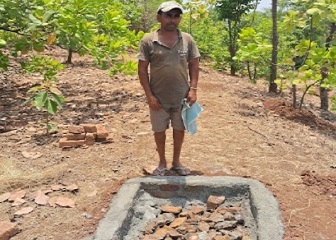
Shop for Change Fair Trade supported Vilas in developing a sustainable fruit plantation on his farm. Under the initiative, he received high-yield cashew, mango, and jackfruit...
Read More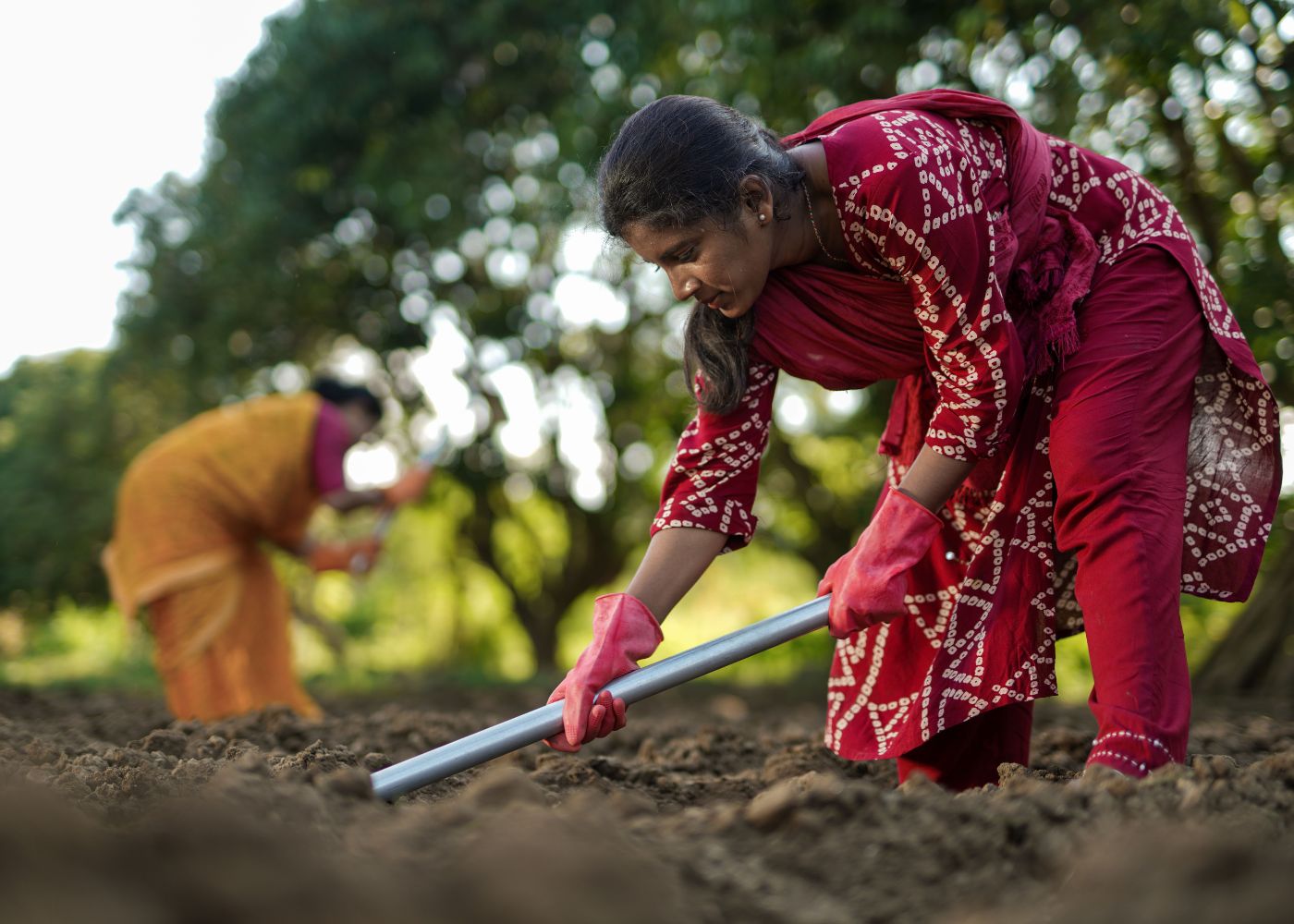
Shop for Change Fair Trade, with funding support from GeBBS Healthcare, launched a capacity-building project to promote sustainable agricultural practices among tribal farmers in Jawhar.
Read More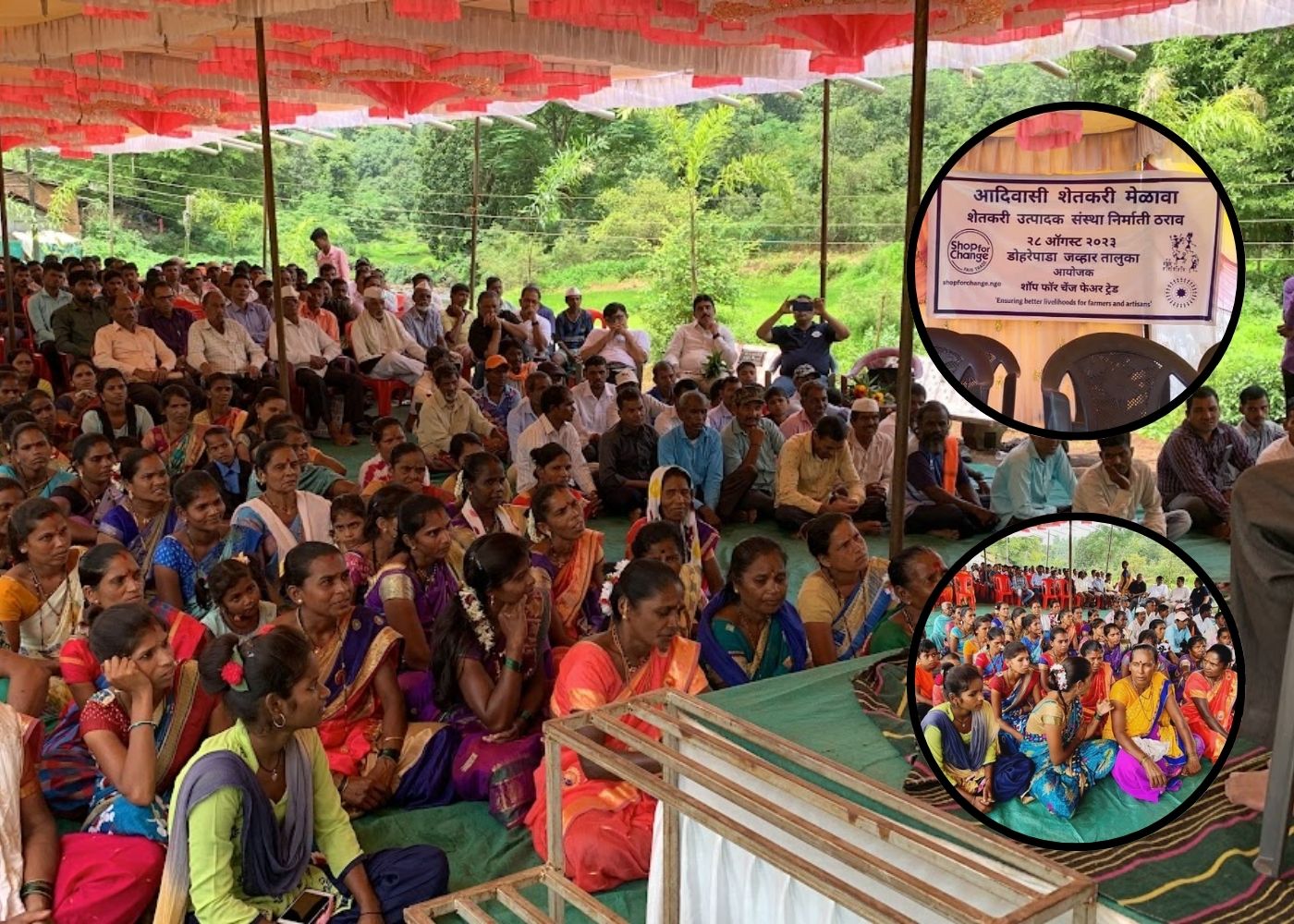
In the tribal belt of Palghar, Maharashtra, women farmers have long faced systemic barriers to income security, access to markets, and leadership opportunities.
Read More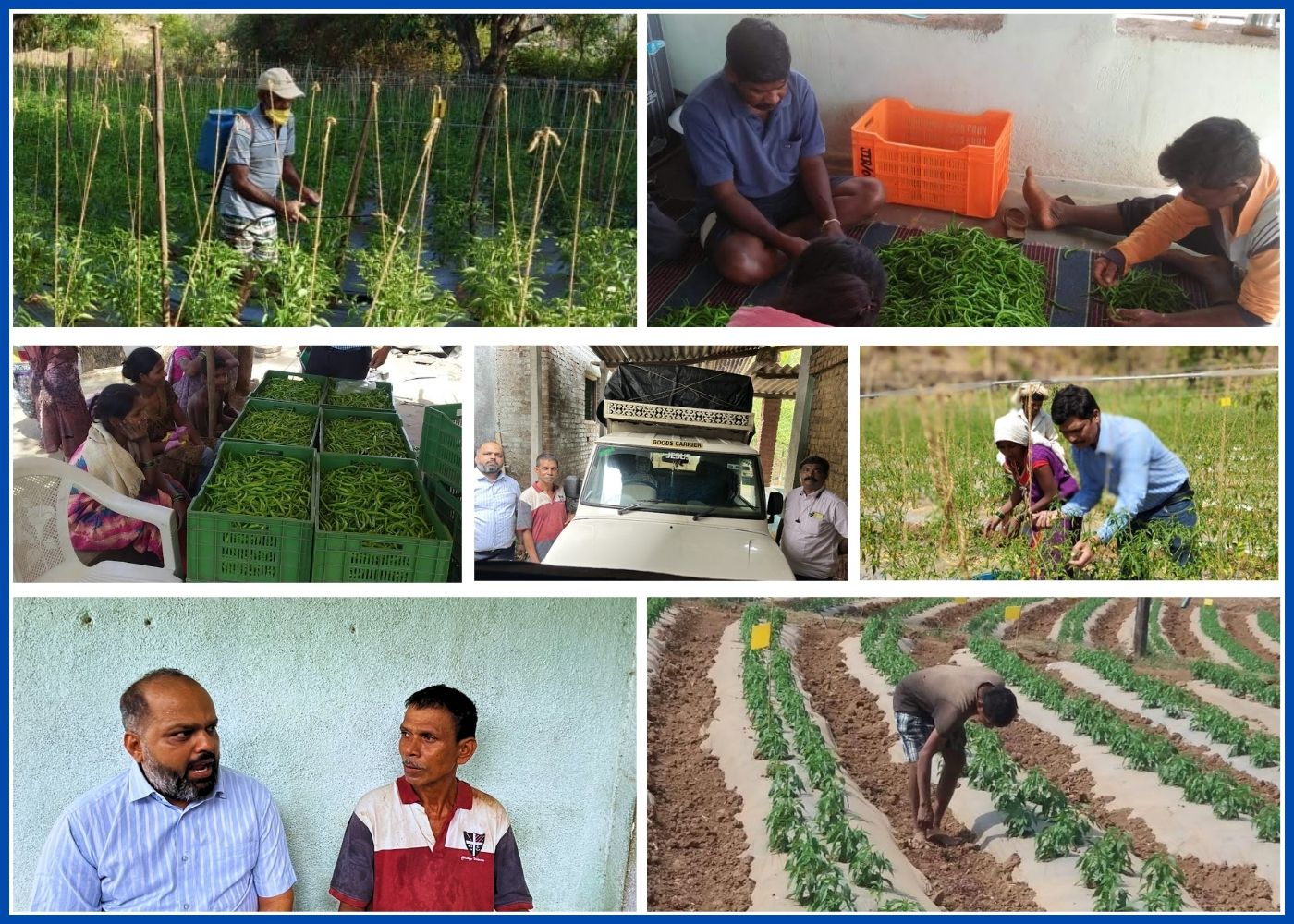
Babu Waghera, a tribal farmer from Jawhar Taluka in Maharashtra, once relied on irregular daily wage work and low-yield farming for survival. With minimal access to knowledge...
Read More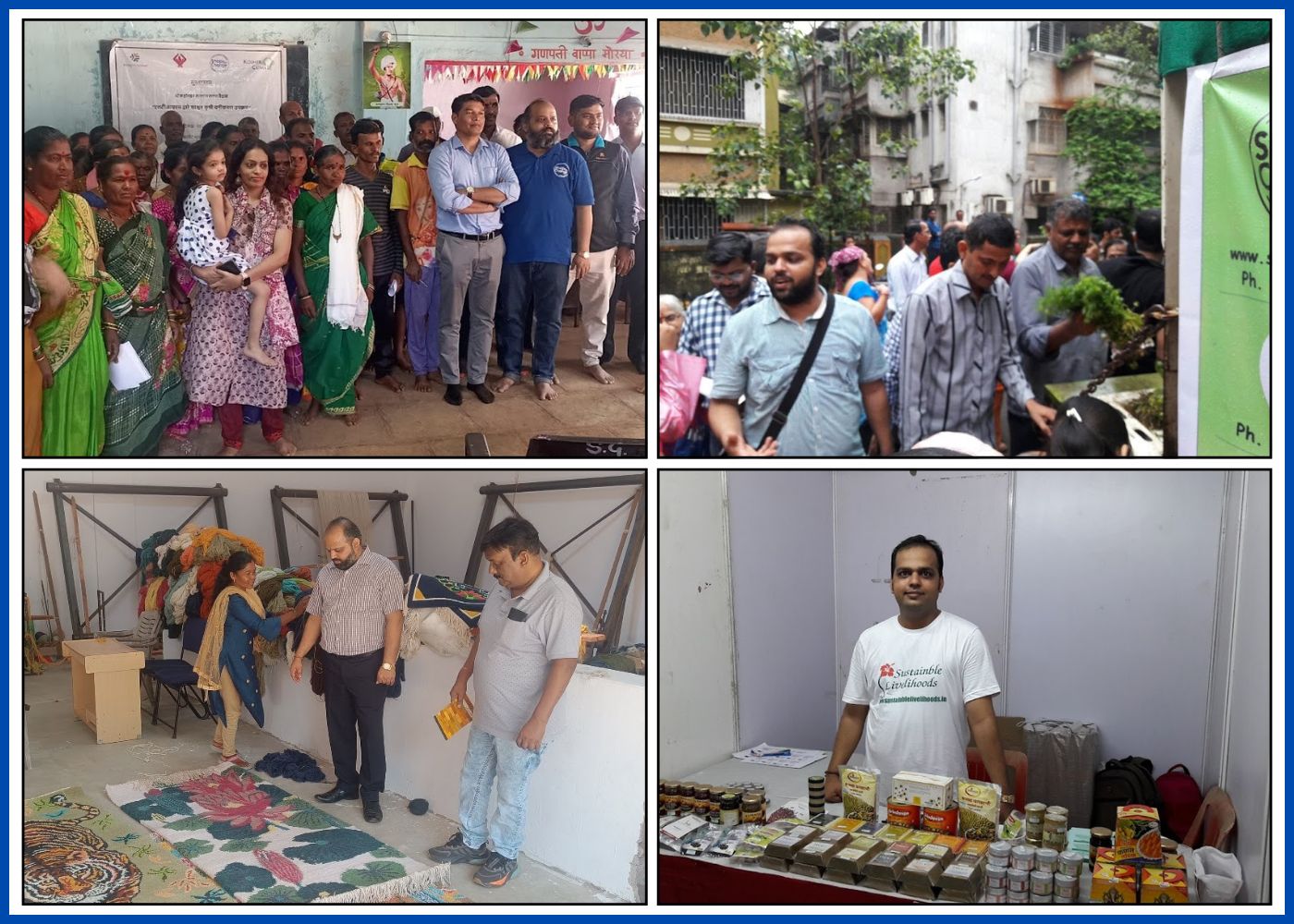
25/06/2025 | Saameer Athavale
Read More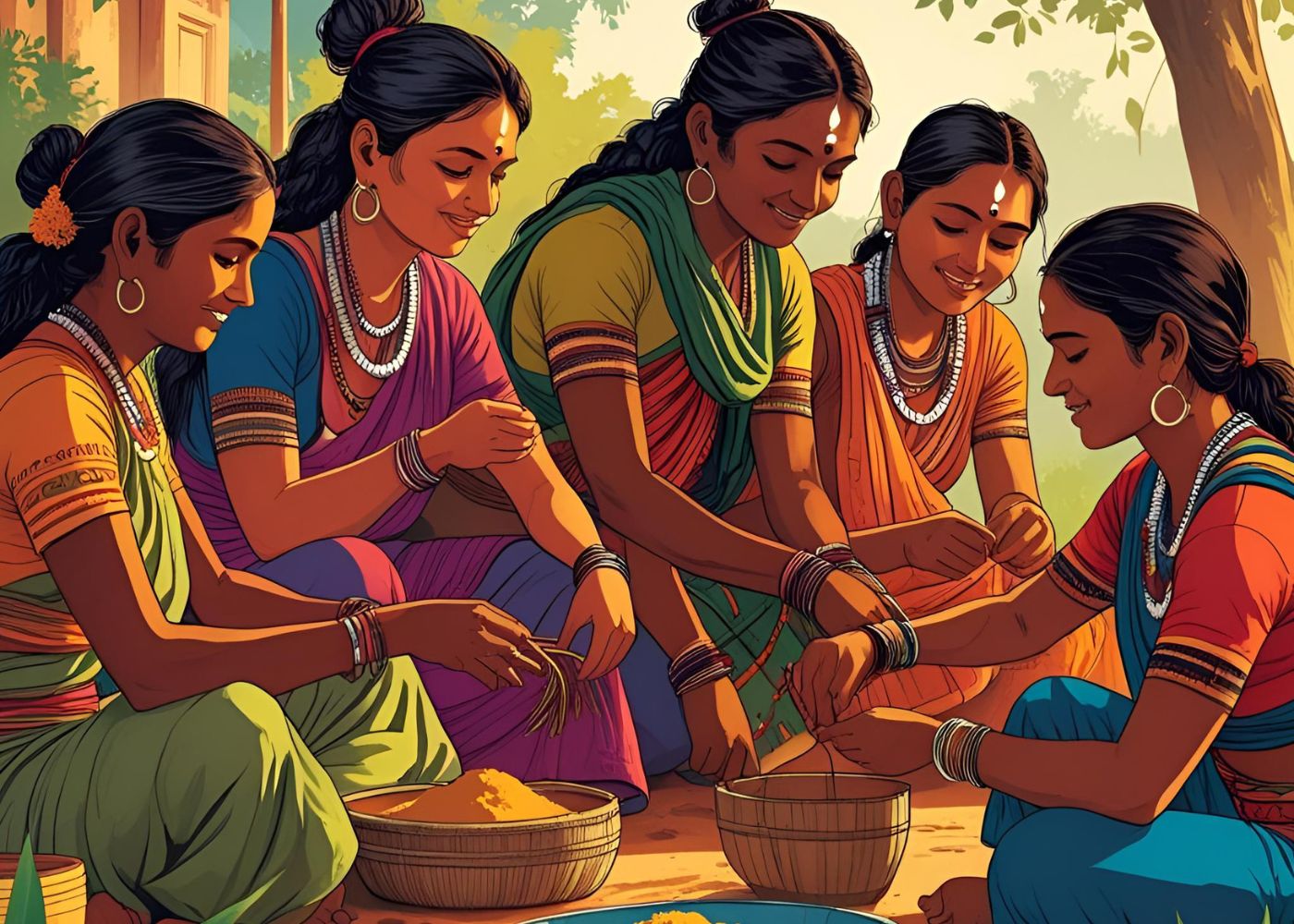
25/06/2025 | Saameer Athavale
Read More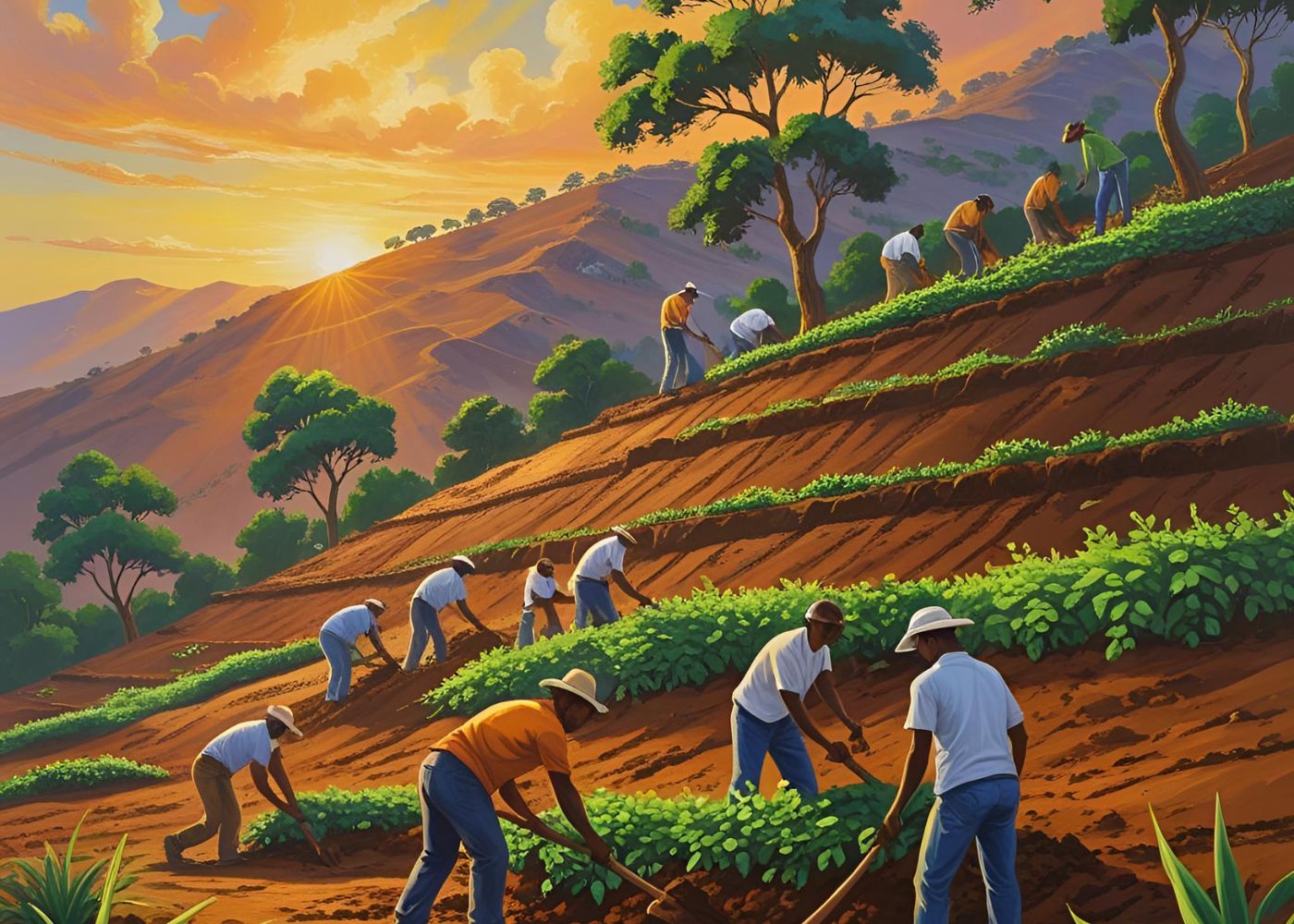
25/06/2025 | Saameer Athavale
Read More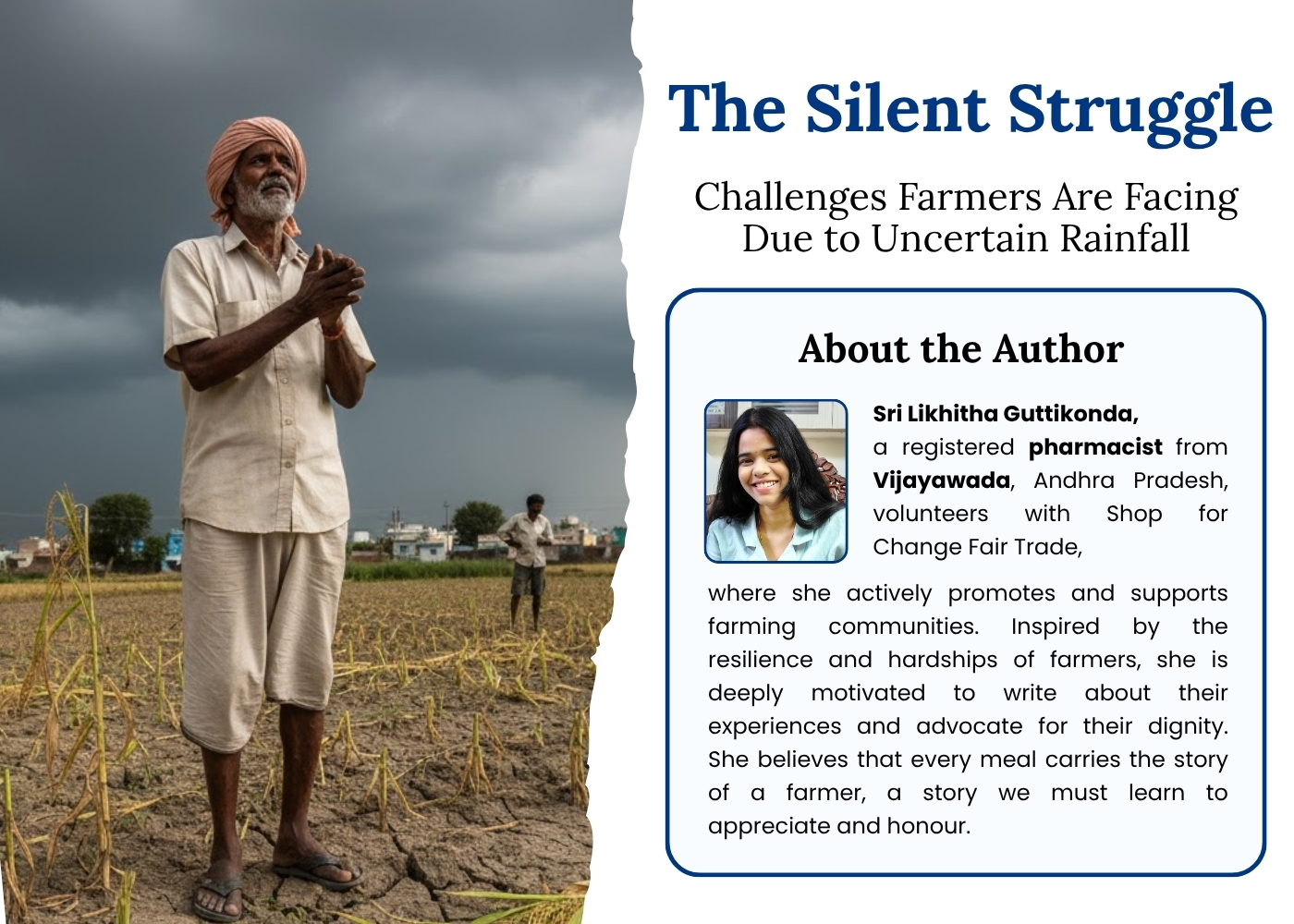
07/11/2025 | Sri likhitha Guttikonda
Read More
Dear Friends, Partners, and Changemakers,
Welcome to Shop for Change Fair Trade.
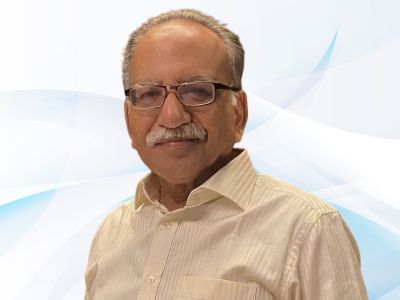
As the CEO of Shop for Change Fair Trade, I’ve had the privilege of witnessing firsthand the incredible journey our food takes – from the fertile soil of a farmer's field to your very own plate. It's a journey unlike any other, fundamentally different from the manufactured trends of lifestyle products. For those, demand is often created; for the food that sustains us, the demand is inherent, primal. We simply must eat.
And here’s the core of what truly drives us: this essential sustenance, the very foundation of our existence, springs from an irreplaceable source – the farmer's field. You can't replicate it. You can't outsource it. It comes from the earth, nurtured by dedicated hands and generations of wisdom.
Yet, despite this undeniable demand and unique origin, the reality for many farmers is often far from fair. The path that fresh produce travels, from farm to fork, too often dictates the farmer's destiny. If that path – that value chain – is opaque and unfair, the people who feed us receive far too little. This is precisely why we are relentlessly focused on enhancing this vital journey, and in doing so, we actively empower our farmers at every step. When the value chain is transparent and fair, then the maximum benefit flows precisely where it belongs: to the producer.
Thank you for joining us on this mission. Together, through every conscious choice, we can cultivate a brighter, fairer future for all.
Warmly,
Saameer Athavale
CEO, Shop for Change Fair Trade
Director - Chief Mentor

Director

Director

Director
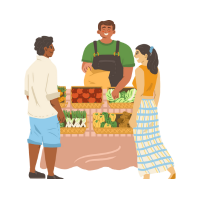
At Shop for Change Fair Trade, market linkage is not just about selling products—it's about building a long-term, dignified ecosystem where farmers and artisans are recognized as entrepreneurs, not just producers. Our market linkage model is demand-driven, inclusive, and built to last.
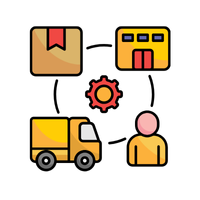
Here's how the life cycle unfolds:





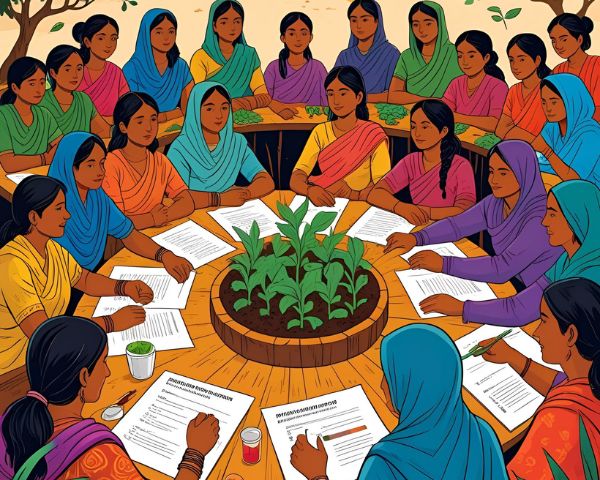
Goal: Understand what communities produce, what they need, and what markets want.
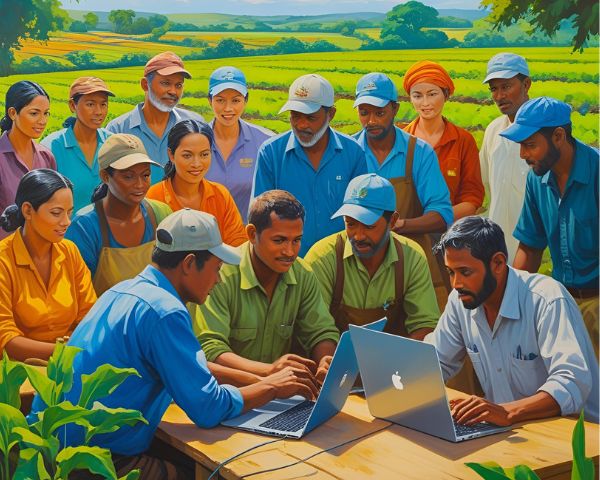
Goal: Ensure that local products meet market expectations without compromising traditional value.
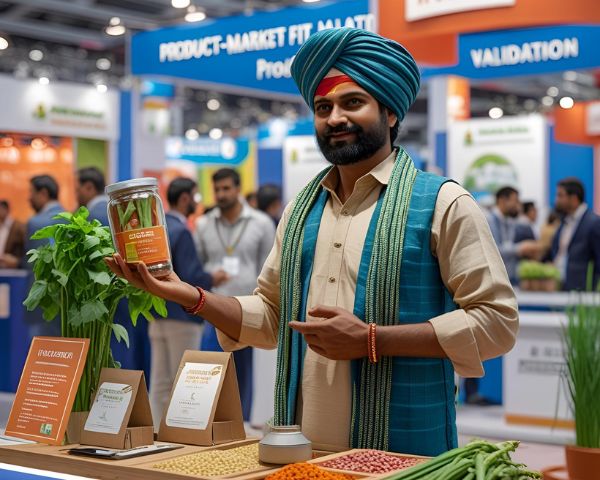
Goal: Validate what sells, where, and at what price—before scaling
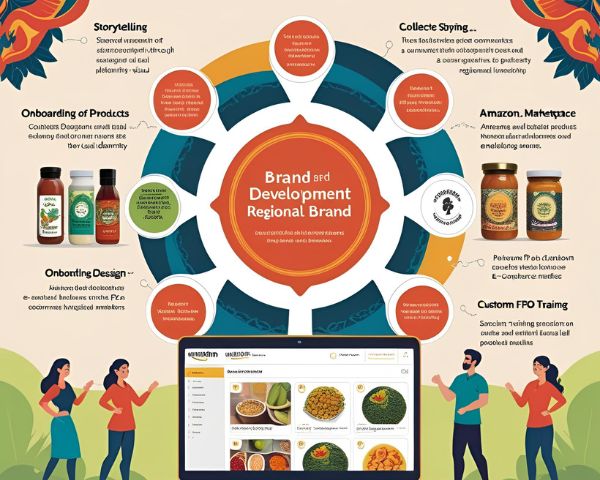
Goal: Build visibility, traceability, and consumer trust around grassroots brands.
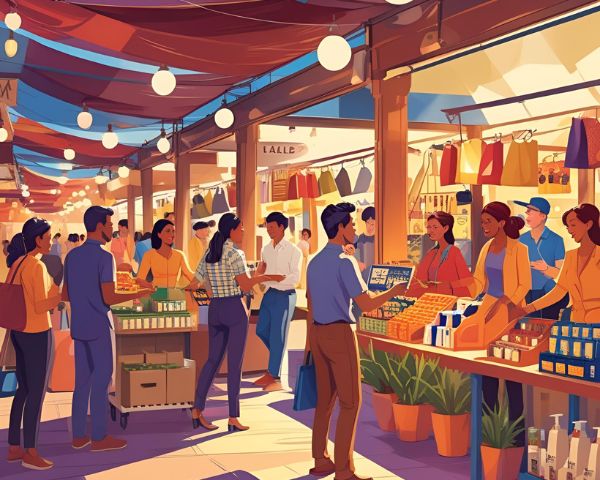
Goal: Create consistent demand channels that ensure better margins for producers.
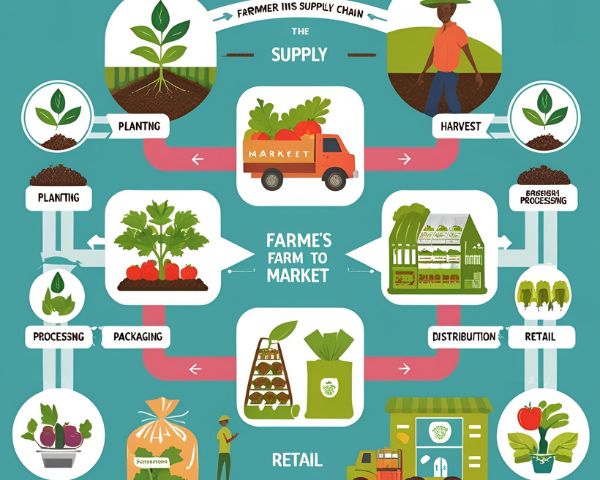
Goal: Move products efficiently while maintaining quality.
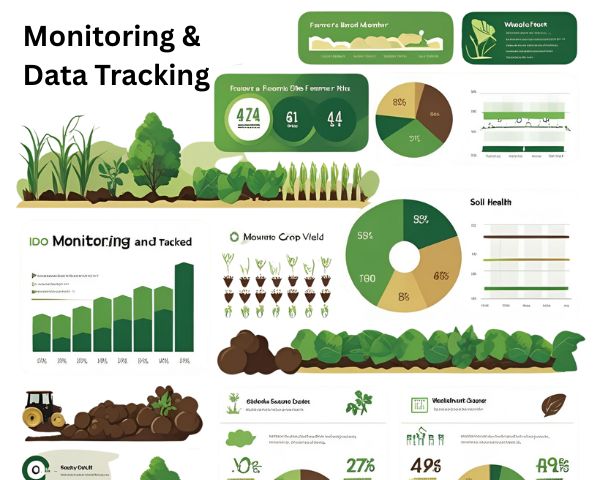
Goal: Continuously refine the model and prove long-term impact.
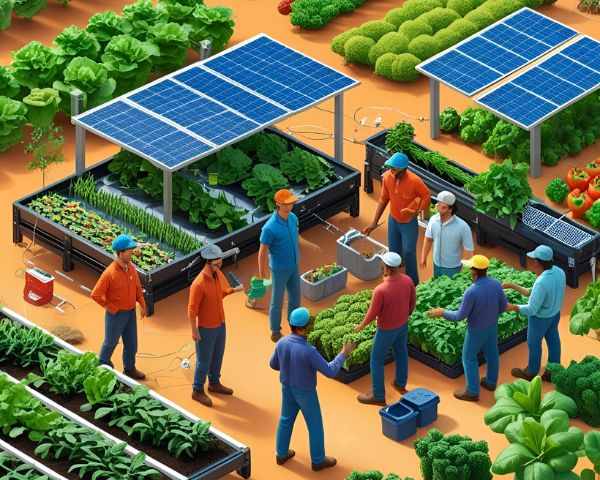
Goal: Transition from NGO-led to community-owned market ecosystems.
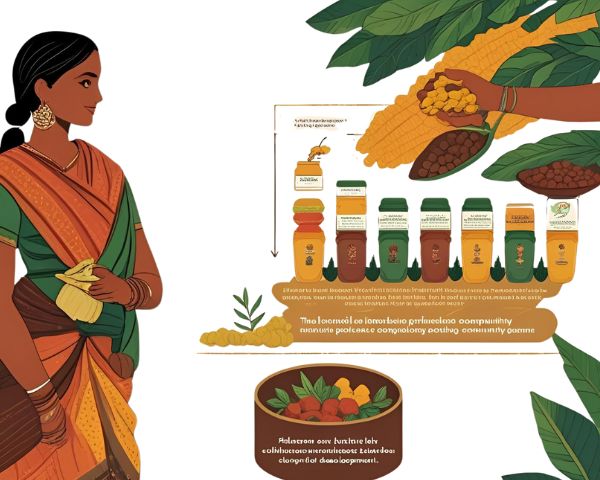
Market Linkage is not the end—it’s the engine that sustains growth, dignity, and independence.